
The foreign exchange market is vast and volatile. In fact, the Bank for International Settlements reports average global FX turnover around $9.6 trillion per day. India’s forex market is also booming – RBI data show daily trading roughly doubled from $32 billion in 2020 to ~$60 billion in 2024. Yet despite these opportunities, many novice Indian traders lose money quickly. Even a leading broker notes about 71% of retail trading accounts lose money on leveraged trades. This blog explains the key mistakes beginners make and how to avoid them. For example, reputable brokers like Orderglo offer educational resources and demo accounts so newcomers can learn basics and practice risk-free before trading live.
Why Most Indian Beginner Forex Traders Lose Money
Indian beginners often jump into trading without adequate preparation. Lack of education: Many new traders have not studied forex basics. They may not understand major vs minor currency pairs, or how trading units (lots) work. For instance, a pip is simply the smallest price move (usually 0.0001) in most FX quotes, yet beginners often ignore pip values. They may overlook that brokers earn via the bid–ask spread (the difference between buy/sell prices), or that holding positions overnight incurs swap (interest) charges. Without grasping these fundamentals, traders miscalculate risks and costs.
- Forex-specific knowledge: For example, novices commonly do not understand currency pair labels (USD/INR vs GBP/INR) or distinctions between majors and exotics. They might not calculate pip values or lot sizes correctly. They also tend to ignore market timing: forex runs 24/5, with key sessions (Tokyo, London, New York) having different volatility. For instance, the London–New York overlap sees about 38% of daily volume, creating sharp moves. A beginner trading without this context can be caught off guard during busy hours.
- Forex challenges for Indian traders: On top of general inexperience, Indian traders face specific hurdles. Local regulations restrict trading to currency derivatives on Indian exchanges. Offshore brokers/ regulations: RBI and SEBI allow trading only with authorised brokers on NSE/BSE/MSE. Spot forex or offshore margin trading is illegal. Limited leverage: Onshore currency contracts typically cap leverage around 20:1, far below the 100:1+ often advertised by foreign brokers. Novices tempted by ultra-high leverage (say 1:500) will find it impossible under Indian rules. Market volatility: Indian traders must also adapt to global dynamics. For example, major USD/INR moves often coincide with U.S. data releases when both London and New York markets are open. This surge in liquidity and volatility can swamp uninformed traders.
Mistake #1 – Trading Forex Without Understanding the Basics
Entering trades without Forex knowledge
New traders sometimes place orders with no understanding of what they own. They may not know the difference between major and minor pairs, or the impact of the bid–ask spread on costs. For example, opening a GBP/JPY position without knowing pip values means guessing at risk. Some forget to factor swap/overnight fees into their trade plan. This lack of knowledge leads to unexpected losses.
How to avoid this mistake
- Learn the basics: Study how the forex market is structured, what drives currency prices, and how trading accounts work. Understand that a pip is a fixed increment (e.g. 0.0001 for EUR/USD) and learn how to convert that into profit/loss for any lot size.
- Practice first: Use demo accounts or trading simulators (Orderglo’s platform offers free demo trading) to experiment. Calculate position sizes and expected pip values before trading live. Ensure you grasp concepts like spread and swaps so they no longer come as a surprise.
Mistake #2 – Using Excessive Leverage
Leveraged trading magnifies both gains and losses. A common beginner pitfall is over-leveraging. For example, at 1:100 leverage, a $1,000 deposit controls a $100,000 position (1 standard lot). A mere 10-pip adverse move then causes a $100 loss (10% of account). Many Indian novices encounter offshore brokers offering 1:200 or 1:500 leverage, but such high gearing can wipe out a small account in seconds. One bad trade at extreme leverage often blows the entire balance.
Why high leverage destroys Indian beginners
- Small capital risk: With limited starting funds, using 100:1 or 200:1 leverage means even tiny price swings have outsized impact. As the Axiory guide notes, high leverage is dangerous without experience.
- Margin calls: Most Indian traders cannot withstand even minor losses at extreme leverage. A single trade that goes wrong can trigger a margin call (account wiped out) by a foreign broker.
Safe leverage practices
- Use low leverage: Beginners should limit leverage (for example 10:1–50:1) to keep trades manageable. A smaller leverage means each pip move is less dramatic relative to your capital.
- Cap your risk: Follow the common rule of risking only a small percentage of your capital per trade. Experts advise risking at most 1–2% of your account on any single position. This way, even a losing streak won’t wipe you out. For instance, risking 2% per trade with a 1:2 risk-reward still allows room for several losses without blowing the account.
Mistake #3 – Incorrect Lot Size Selection

Common lot size errors
- Too large a position: Beginners sometimes open huge lots (100,000 units) on a small account. Without adjusting size, even a moderate 50-pip move against them erases the balance.
- Ignoring pip value: Many fail to calculate pip value. For example, trading 1 standard lot of EUR/USD means each pip is ~$10. If a trader expects each pip to be $1, they will lose ten times more than anticipated.
How to choose the right lot size
- Position sizing tools: Always calculate the correct lot size based on account balance and desired risk. Use online lot-size calculators or spreadsheets. Input your stop-loss (in pips) and risk percentage to find the safe position size.
- Match account and stop-loss: If you plan a 50-pip stop-loss and can only risk 1% of capital, solve for lot size accordingly. This aligns your trade size with your risk tolerance. Keeping a lot size proportionate to your balance and stop distance prevents ruinous trades.
Mistake #4 – Trading Without Stop Loss
Why beginners avoid stop losses
- Fear of being stopped out: Traders often think a stop-loss will close a trade too early. They may prefer to remove stops to “ride the market.”
- Overconfidence: After a winning streak, some become reluctant to set stops, trusting they can manage positions manually.
How to use stop loss correctly
- Place stops at logical levels: Put stop orders just beyond key support/resistance or chart levels. For example, a short trade might have a stop a few pips above a recent swing high.
- Stick to the plan: Never move a stop-loss further away to avoid a loss. Discipline requires taking small losses in line with your analysis. As analysts caution, volatile moves (e.g. during news) make fixed stops even more important. Tight stops preserve capital and prevent one losing trade from becoming a catastrophe.
Mistake #5 – Overtrading & Scalping Without Experience
Why beginners overtrade Forex
- 24/5 market: The forex market never sleeps on weekends, so novices feel they “should” trade constantly.
- Chasing small moves: Traders may see every small zigzag as an opportunity, placing dozens of trades trying to scalp a few pips each time.
How to control overtrading
- Set trade limits: Decide on a maximum number of trades per day or session (for example, no more than 3 trades). Stick to it. This prevents emotional revenge trading after losses.
- Focus on one strategy and timeframe: Master a single trading strategy on a chosen chart timeframe. Don’t switch tactics mid-session. Concentrating efforts improves execution and reduces the impulse to overtrade.
Mistake #6 – Trading During High-Impact News Without Knowledge
News events that trap beginners
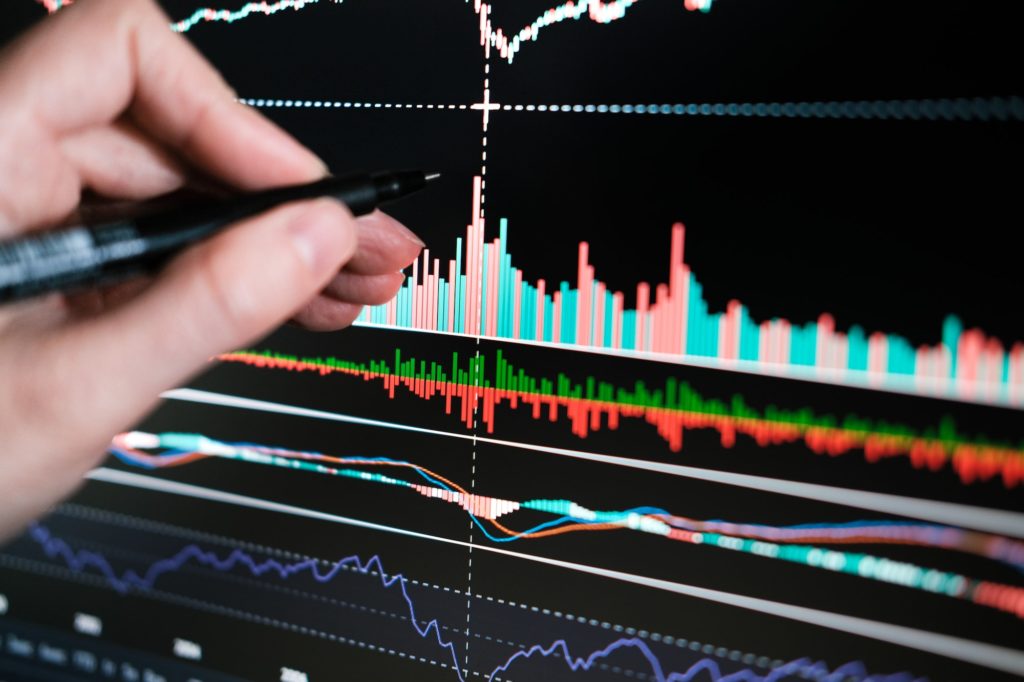
Major economic releases (FOMC announcements, U.S. Nonfarm Payrolls, CPI inflation figures) can spark wild currency swings. If a trader holds positions across these events, their account can be hit by sharp gaps or spikes.
Safe approach to Forex news
- Avoid trading near news: Close or refrain from new positions at least 15–30 minutes before scheduled releases. This avoids being caught in the immediate volatility.
- Use an economic calendar: Always check a reliable news calendar for dates and times of key data. Plan your trading around these events. As Exness points out, sudden data surprises can trigger rapid market moves and highlight the need for stop-loss protection.
Mistake #7 – Blindly Following Signals & Telegram Groups
Why Forex signals fail beginners
- No risk disclosure: Many free signal services focus on entry points but omit how much capital to risk. Users copy trades without stop-loss plans or position sizing.
- Copy-paste trading: Following signals mechanically can cause multiple identical trades. If the market reverses, all copies lose simultaneously.
How to use signals safely
- Signal as learning tools: Treat any signal as a case study. Compare it with your own chart analysis. Ask yourself why the entry was chosen.
- Confirm with your analysis: Never rely solely on others’ calls. If you see a signal to buy EUR/INR, check major trend lines or indicators yourself. Combining signals with independent analysis ensures you understand each trade, rather than gambling.
Mistake #8 – Poor Risk & Money Management
Capital mistakes in Forex trading
- All-in trades: Some beginners risk their entire account on one idea (“bet the farm”). A single loss then zeroes out everything.
- No drawdown control: Without rules, losing streaks are ignored. Traders fail to cut losses until it’s too late.
Forex money management rules
- Limit risk: Only risk a small portion of capital per trade (industry consensus is 1–2% per trade). For example, on a $10,000 account, risking $100–$200 per trade keeps drawdown manageable.
- Maintain a healthy risk–reward: Seek trades where potential reward is at least twice the risk (a 1:2 risk-reward ratio). This way, even if you win less than half your trades, you can still profit overall. Consistent application of these rules keeps accounts in good shape.
Mistake #9 – Emotional Forex Trading

Emotions that ruin trades
Beginners often let feelings override logic. After a loss, fear may cause them to close winning trades too early or avoid new entries. After a win, greed and overconfidence can lead to overtrading. Psychological studies (e.g. Lo et al.) confirm that emotional reactions are a major cause of trading errors.
How to build Forex trading discipline
- Keep a trading journal: Record every trade with notes on why you entered and exited, plus your mindset. Reviewing this weekly helps identify emotional patterns.
- Follow a routine: Pre-define conditions for trades and stop trading after a set number of losses. As one risk management expert notes, adhering to position sizing and stop rules is key to “surviving losses without blowing up the account”. Consistency and reflection help strip emotion out of trading.
Mistake #10 – Unrealistic Profit Expectations in Forex
Why beginners expect fast Forex income
Social media and marketing can mislead new traders. They see influencers sharing screenshots of massive gains or brokers promising quick riches. This fosters unrealistic goals. Beginners think forex is a get-rich-quick scheme, so when profit doesn’t come immediately, they take undue risks.
Realistic Forex trading goals
- Focus on the process, not profit: Understand that consistent execution of your strategy (good entries, risk control) is more important than any single gain. Success is measured by repeated small wins over time.
- Set attainable targets: Aim for modest, regular improvements (e.g. a steady few percent per month) rather than doubling your account in weeks. Over the long run, consistent growth compound to large returns, whereas chasing big wins often ends in ruin.
Quick Checklist – How Indian Beginners Can Avoid Forex Trading Mistakes
- Learn all forex basics (pairs, pips, spreads) before risking real money.
- Use low leverage (e.g. 10:1 to 50:1) until you gain experience.
- Calculate lot size and potential loss for each trade (risk only 1–2% of capital).
- Always set a stop-loss on every position.
- Avoid emotional decisions: stick to your plan and trading rules.
- Trade only via regulated brokers/platforms (e.g. SEBI-authorised) with proper oversight.
Final Thoughts – How Indian Beginners Can Succeed in Forex Trading
Forex trading is a skill
Mastering forex takes time and practice. Expect losses to occur; they are part of the learning curve. The key is to protect capital and learn from mistakes. Over time, disciplined money management and emotional control become far more important than any single “brilliant” strategy.
Trade slow, trade smart
Prioritise consistency over chasing quick profits. Build a track record of disciplined, small gains. Only scale up your account size or leverage once you have demonstrable profitability. If you need tailored guidance, consider seeking a quote from a reputable broker like Orderglo. Their team can suggest the right account type and support resources to fit your goals.
 Tags:
Tags:
Leave A Comment